Colonial Secrets Exploring Lesser-Known Historical Sites
Bandarawela is often remembered for its railway station and churches, but the town’s colonial past hides in quieter corners as well. Beyond the landmarks listed in guidebooks lie smaller structures, lanes, and stories that reveal how the British shaped life in the hills. For cultural travelers and history buffs, these lesser-known sites offer a more intimate view of colonial heritage in Bandarawela history not preserved in glass cases, but lived through the rhythms of the town.
Small Colonial Landmarks Around Town
Walking through Bandarawela, one notices details that often escape the hurried eye. Old stone boundary walls still line certain streets, built to mark property during the plantation era. Brick postboxes, sturdy and practical, continue to serve townsfolk, their design unchanged for over a century. Some government buildings, modest in scale compared to city counterparts, still carry arched windows and tiled roofs from the early 1900s.
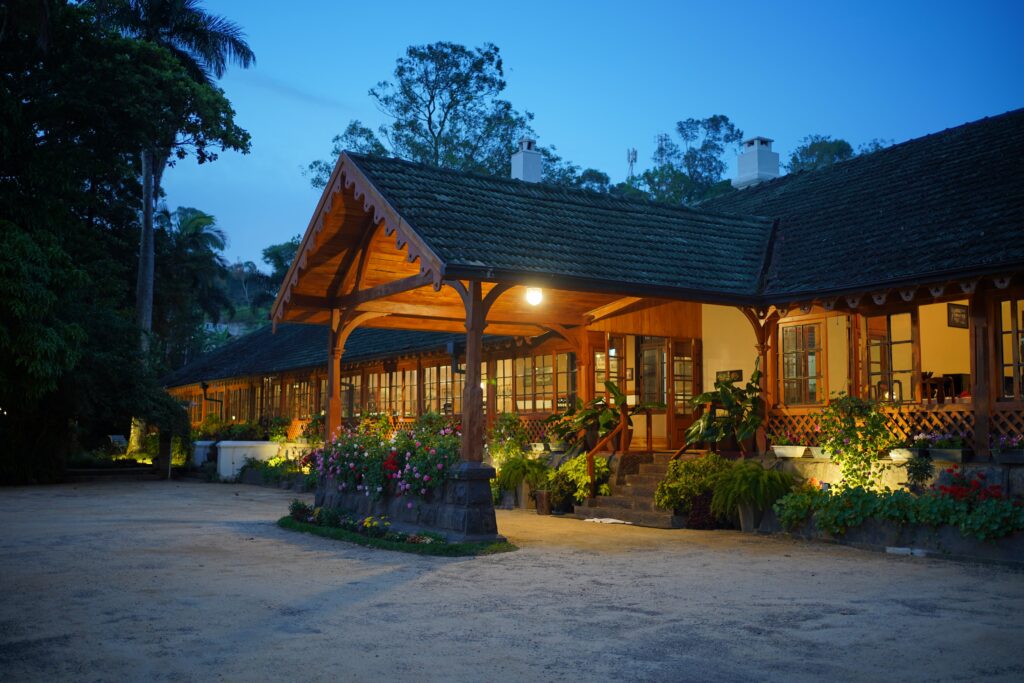
There are also old rest houses and villas tucked behind hedges, once temporary homes for planters or administrators, now sometimes used as residences or guesthouses. Each of these sites tells its own story of adaptation, showing how colonial structures continue to exist quietly within everyday life.
Historical Context and Stories
The colonial presence in Bandarawela grew with the expansion of tea. By the late 19th century, the town became a hub for planters, administrators, and traders, each leaving their mark in buildings and infrastructure. While large courthouses or railway stations drew attention, it was the smaller institutions, schools, rest houses, and civic spaces that built daily colonial life.
Stories linger in these spaces. Some locals recall how the post office became a social hub, or how small villas hosted gatherings for tea estate managers. Even the simplest structures like a stone arch over a lane carry echoes of those days. For visitors, uncovering these stories turns the town into a layered narrative rather than just a backdrop.
Walking Tours Suggested from the Hotel
For guests at Bandarawela Hotel, exploring these colonial secrets begins just outside the gates. A self-guided walking tour can lead you through the town’s quieter lanes, where moss-covered walls and weathered facades whisper of another era. Suggested routes often pass the railway line, continue toward government buildings still in use, and circle back through residential streets dotted with colonial-era houses.
Guided tours, when arranged through the hotel, add context and storytelling. Local historians and guides bring depth, pointing out features invisible to untrained eyes, a particular brick pattern, an old emblem on a gate, or the layout of a villa that reveals colonial planning styles. These tours turn simple walks into lessons in cultural continuity.
Maintaining Cultural Connection in Modern Visits
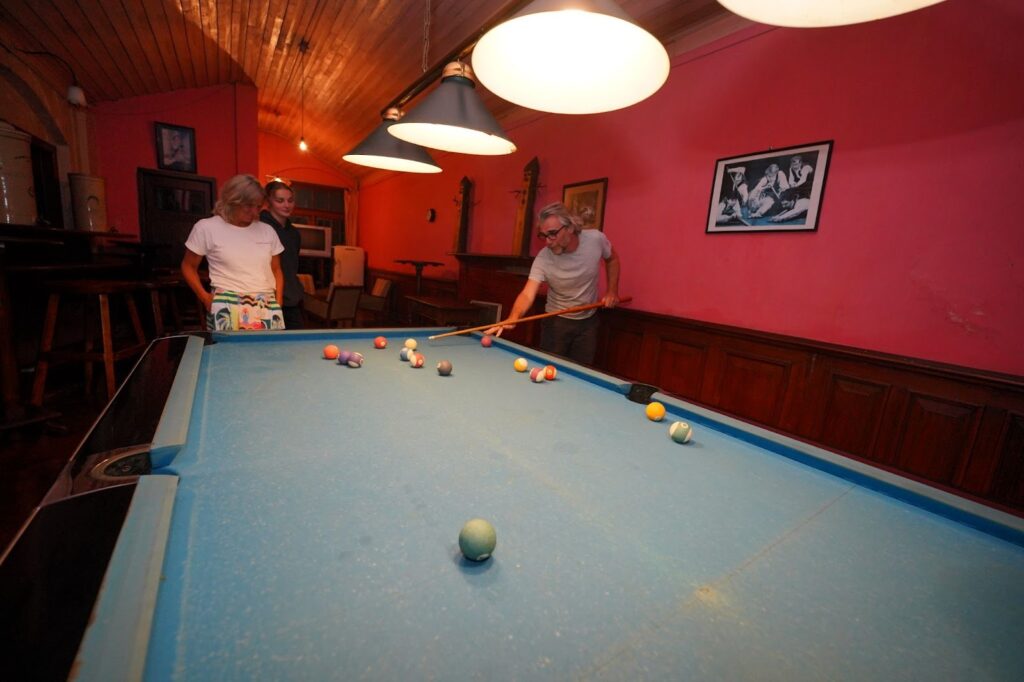
The value of visiting these sites today lies not only in nostalgia but in connection. While some buildings have been repurposed, their endurance reflects the ways colonial legacies have been woven into local life. A school still ringing its morning bell, a post office still sending letters, or a villa now hosting a family dinner these are living testaments to adaptation.
Modern visitors, especially cultural travelers, can help maintain this connection by approaching with respect. Photography should balance curiosity with sensitivity, and purchases or donations to local initiatives help sustain preservation. By engaging thoughtfully, tourists contribute to ensuring these heritage sites remain part of the town’s fabric rather than forgotten relics.
Why Colonial Secrets Matter
The charm of Bandarawela lies not only in its famous landmarks but in its hidden ones. Exploring these colonial secrets reveals the textures of history that shaped the highlands, the quiet walls, the small institutions, and the stories passed down in memory. For older tourists, they offer nostalgia; for younger ones, they provide context to the colonial chapters of Sri Lanka’s past.
Most importantly, they remind us that heritage is not always grand or monumental. Sometimes, it hides in small postboxes, mossy lanes, or arches weathered by rain. These details, often overlooked, are what anchor Bandarawela’s identity as a hill country town shaped by history yet still living in the present.
So when you next walk through Bandarawela, don’t only look for what stands tall. Look for what stands quietly. Because in those small corners, you will find the colonial heritage of Bandarawela unassuming, enduring, and deeply woven into the town’s story.